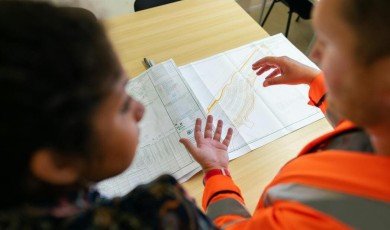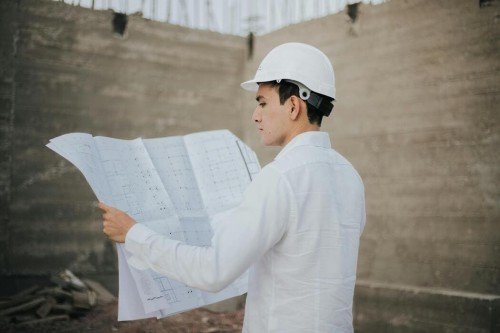
Managing a construction project from the first idea to the final handover is a complex, multi-stage process that demands clear planning, disciplined execution, and constant coordination. Every step—from concept and budgeting to procurement, on-site work, and closeout—must be aligned to keep costs under control, protect timelines, and maintain quality. Understanding these stages as a structured sequence helps owners, contractors, and stakeholders reduce risk and avoid expensive surprises.
1. Defining the Project Scope and Objectives
Every successful build starts with crystal-clear objectives. At this stage, owners, architects, engineers, and key stakeholders agree on what is being built, why it is being built, and what success looks like. This includes:
- Project purpose and functional requirements
- Target size, layout, and capacity
- Performance, safety, and sustainability goals
- High-level budget expectations and deadlines
The output is typically a project brief that guides designers and contractors. A well-defined scope reduces scope creep, which can derail budgets and schedules later.
2. Feasibility Studies and Budget Planning
Before design goes too far, feasibility is tested against cost, site conditions, and regulations. This is where early cost estimates and risk assessments are created. Key activities include:
- Site due diligence (topography, access, utilities, environmental conditions)
- Preliminary structural and systems assumptions
- Rough order of magnitude (ROM) cost estimates
- High-level cash-flow projections
Once financing assumptions are validated, a more detailed budget and cost plan are developed. This budget becomes a baseline against which the project is monitored.
3. Establishing Contracts, Documentation, and Billing Systems
Solid documentation underpins every construction project. Contracting models (lump sum, cost-plus, design-build, etc.) are selected based on project risk, complexity, and client priorities. In parallel, robust administrative systems are set up:
- Standard contract forms and addenda
- Change order processes and approval workflows
- Payment terms, invoice cycles, and reporting requirements
- Document control and record-keeping standards
For streamlined financial administration, teams rely on digital tools to generate consistent, professional invoices and payment records. An efficient option is using an online invoice pdf generator to quickly produce accurate, well-formatted billing documents that are easy to share and archive across all project stakeholders.
4. Detailed Design and Engineering Coordination
Once feasibility and contracts are in place, detailed design begins. Architects, structural engineers, and MEP (mechanical, electrical, plumbing) engineers collaborate to translate project goals into buildable drawings and specifications:
- Architectural plans and interior layouts
- Structural framing, foundations, and load paths
- HVAC, electrical, plumbing, and fire protection systems
- Material specifications and performance criteria
Coordination is critical. Clash detection (often via BIM models) helps identify conflicts between systems before construction begins, saving time and rework on site.
5. Permitting, Approvals, and Compliance
No major project proceeds without meeting regulatory requirements. At this stage, plans are reviewed and approved by local authorities and other governing bodies. Typical activities include:
- Building permit applications and plan checks
- Zoning, environmental, and heritage approvals where applicable
- Health, safety, and fire code compliance review
- Utility connection approvals and easement agreements
Delays at the permitting stage can severely impact schedule, so proactive coordination with regulators and early submission of documentation is essential.
6. Procurement and Contractor Mobilization
With approved designs and permits, attention shifts to securing materials, equipment, and subcontractors. Procurement is carefully timed to support the construction schedule:
- Issuing bid packages and evaluating subcontractor quotes
- Negotiating terms and awarding contracts
- Ordering long-lead items (elevators, switchgear, custom components)
- Scheduling deliveries to avoid site congestion and storage issues
The general contractor mobilizes on site by setting up offices, storage, utilities, and safety infrastructure, preparing the ground for actual building work.
7. Construction Phase and On-Site Management
This is the most visible phase, where plans turn into reality. Effective site management keeps crews safe, work sequences logical, and quality consistently high. Key components include:
- Daily coordination of trades and work areas
- Site safety meetings and toolbox talks
- Quality inspections and testing of materials and systems
- Progress tracking against the baseline schedule and budget
Project managers hold regular progress meetings, issue site instructions, and manage RFIs (requests for information) to clarify details. Communication between field teams and office staff is constant to address issues before they escalate.
8. Change Management and Cost Control
Even the best-planned projects face changes—from unforeseen site conditions to client-requested modifications. Managing these systematically is essential to protect financial health and schedule:
- Documenting the cause, scope, and impact of each change
- Pricing and negotiating change orders
- Updating cost reports and cash-flow forecasts
- Maintaining transparent communication with stakeholders
Regular financial reviews ensure that overruns are identified early. Digital invoice and documentation workflows help keep billing and cost tracking accurate and auditable.
9. Testing, Commissioning, and Inspections
As construction nears completion, the focus shifts from building to verifying performance. Systems and components are tested to confirm they function as designed and meet standards:
- Mechanical and electrical systems startup and commissioning
- Life-safety system testing (alarms, sprinklers, emergency lighting)
- Building envelope and waterproofing tests
- Code-compliance and regulatory inspections
Deficiencies are recorded on punch lists and corrected before final approval. Thorough commissioning reduces the risk of operational problems after handover.
10. Handover, Documentation, and Project Closeout
The final stage focuses on delivering a complete, functional facility and closing the project from a contractual and financial perspective. Typical closeout tasks include:
- Final inspections with the owner and authorities
- Completion of punch-list items
- Delivery of as-built drawings, warranties, and O&M manuals
- Training the owner’s operations and maintenance staff
The project team finalizes invoices, reconciles accounts, and releases remaining retainage once obligations are met. A post-project review often captures lessons learned for future improvements.
Bringing It All Together for Predictable Project Outcomes
Managing a construction project from inception to completion involves far more than coordinating trades on site. It is a disciplined process of defining goals, planning carefully, executing with control, and closing out with thorough documentation and testing. When scope, budget, schedule, and quality are all managed through structured stages, owners gain predictable outcomes and a smoother path to occupancy.
By combining strong project leadership, clear communication, modern digital tools, and a systematic approach to each milestone, construction teams can deliver complex projects on time, within budget, and to the standards stakeholders expect.